The Immune Frontier: How Northwestern’s Center for Human Immunobiology is Redefining Disease Research
The Center for Human Immunobiology explores new scientific innovations that translate into treatments—and potential cures—for immune-regulated diseases.
By Cheryl SooHoo
From cancer to cardiovascular disease, the immune system comes in contact with almost every malady known to humankind. Emerging technologies and fresh approaches have expanded its role far beyond infection, opening new avenues of inquiry and potential therapies never imagined.
Since its launch in 2022, Northwestern University Feinberg School of Medicine’s Center for Human Immunobiology (CHI) has been a driving force for collaboration to better understand the mechanisms of immunology to improve diagnosis and treatment. While Feinberg investigators have been involved in groundbreaking immunology research for many years, they now have a home, resources, and tools to transform cutting-edge immunology into real-world therapies, providing a dynamic forum for immunology-minded investigators to forge new research avenues together.
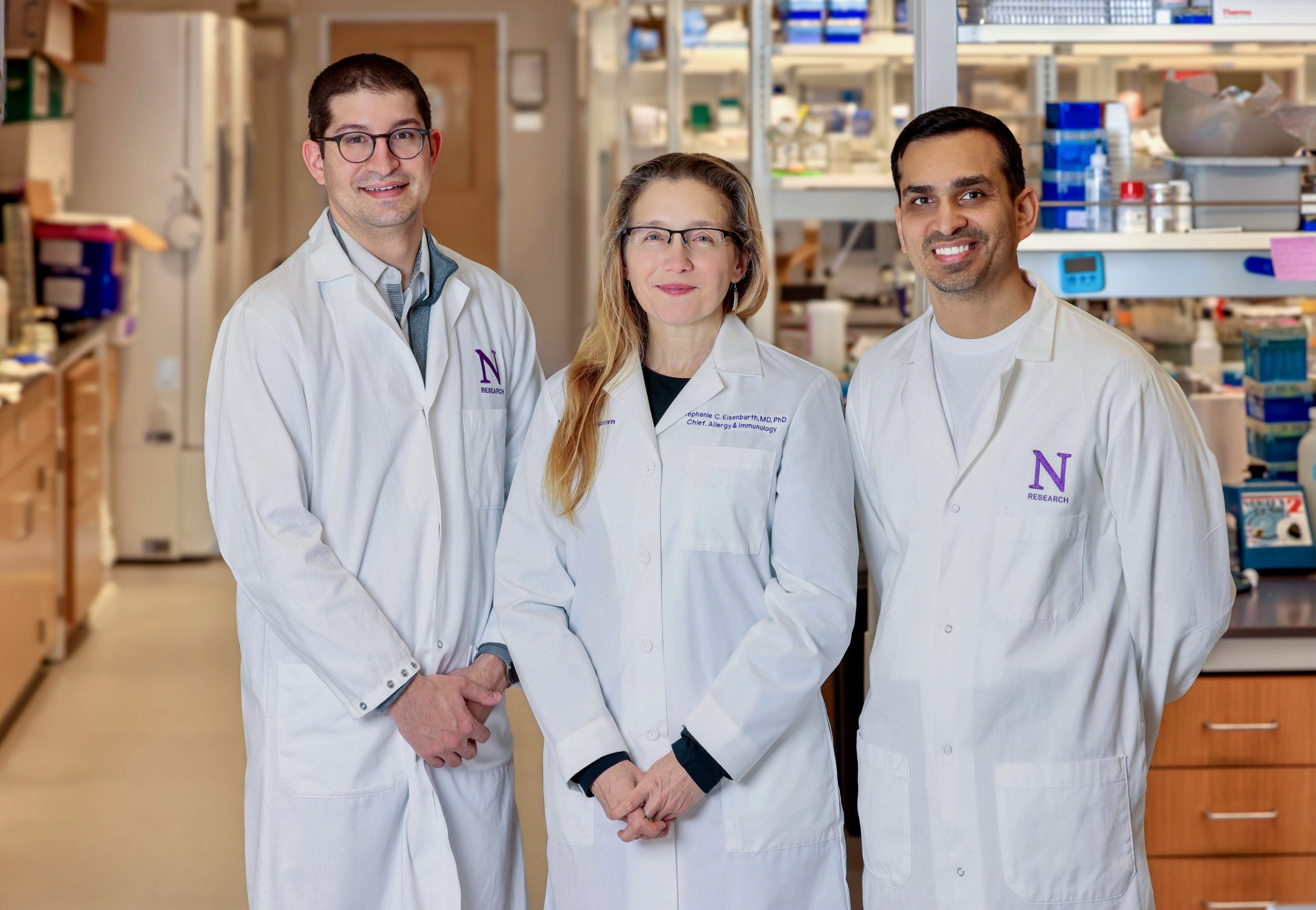
“As a field, science is big. No one individual can master all the intricacies of the immune system across a vast array of disease states,” said Stephanie Eisenbarth, MD, PhD, who is the chief of Allergy and Immunology in the Department of Medicine and director of CHI. “Our center is building a community where people with complementary expertise can collaborate and create scientific synergy for the greatest impact.”
In the immunology world, connecting the dots between diverse immune inflammatory environments in the body can lead to surprising results. No one knows that better than food allergy expert Eisenbarth. In a recently published study in Science, her team made a novel discovery that could prevent life-threatening food allergies for countless at-risk individuals. They found that an FDA-approved oral medication for asthma — Zileuton — appears to block a newly identified pathway involved in regulating anaphylaxis. This finding builds on the Eisenbarth lab’s identification in mice of a gene called DPEP1 that regulates how cells of the gut lining transport allergens. Ramping up this process increases the risk of deadly food-allergy reactions. Only two FDA-approved treatments currently exist for patients with food allergies. In July 2025, Northwestern investigators launched an early-stage clinical trial to evaluate the effectiveness of Zileuton in humans.
As a field, science is big. No one individual can master all the intricacies of the immune system across a vast array of disease states. Our center is building a community where people with complementary expertise can collaborate and create scientific synergy for the greatest impact.
Stephanie Eisenbarth, MD, PhD
“This exciting breakthrough would have never occurred without collaborating and building networks in and outside of Northwestern,” Eisenbarth said. The Feinberg team partnered with investigators from around the country, including several from Yale University.
Today, CHI features more than 160 scientists and clinicians interested in various aspects of immunology. A growing critical mass of investigators, as well as myriad working groups, reflect the depth and breadth of CHI’s scientific reach—and the faculty driving its success.
Improving Food Allergy Testing
CHI’s food allergy-focused mucosal immunology working group allows food allergists, gastrointestinal specialists, and basic scientists, among others, to present work in progress and get candid feedback. Led by Cecilia Berin, PhD, the Bunning Professor of Food Allergy Research and a professor of Medicine in the Division of Allergy and Immunology, the group workshopped its way to scoring a prestigious win early on in its formation. In 2024, CHI investigators received a CoFAR (Consortium for Food Allergy Research) grant from the National Institute of Allergy and Infectious Diseases. With the award, Northwestern is now one of 11 CoFAR clinical trial sites seeking to better understand the immune basis of food allergy and identify novel targets for treatment.
One of the latest Northwestern University CoFAR Clinical Research Center (NU-CoFAR) studies focuses on replacing the traditional oral food challenge — considered the gold standard for reliably diagnosing a food allergy — with noninvasive, predictive biomarkers. “Oral food challenges are unpleasant,” said Berin, who serves as co-principal investigator of the NU-CoFAR along with Ruchi Gupta, MD, MPH, professor of Pediatrics, of Medicine in the Division of the Determinants of Health and the Division of Allergy and Immunology, and of Preventive Medicine. “We essentially make patients experience allergic reactions. The challenge itself could cause severe anaphylaxis.”
Studying biospecimens collected from pediatric patients, CHI investigators are evaluating the contribution of T follicular helper cells and Type 2-marked memory B-cells to food intolerance. Discoveries in this area could vastly improve the diagnosis and treatment of the estimated 1 in 13 children and 1 in 10 adults in the country with food allergies.
Promoting Lung Tissue Recovery
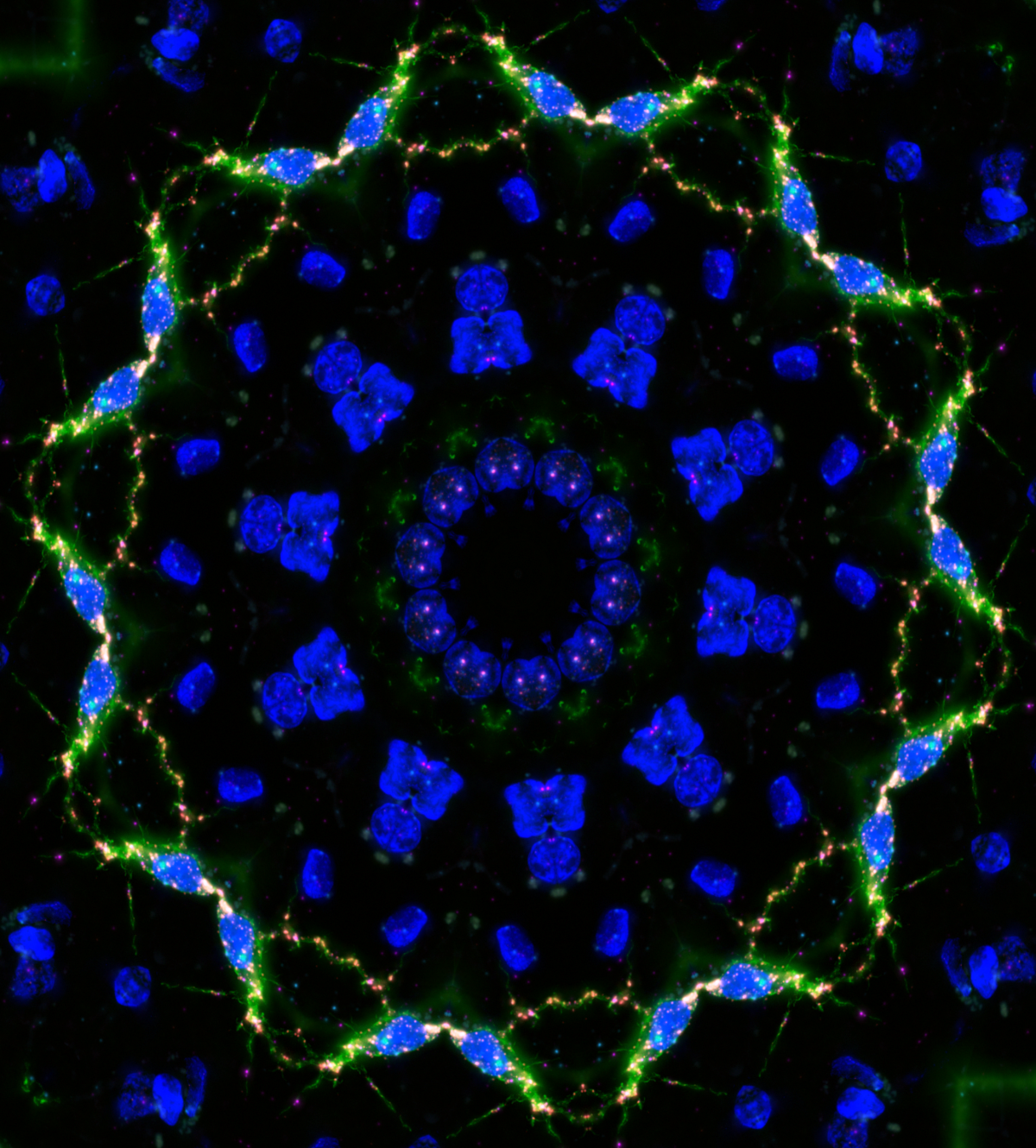
Immune cells, the body’s first responders, rapidly react to a range of infectious agents from pneumonia-causing viruses and bacteria to abnormal cancerous cells. A pulmonologist and critical care specialist studying acute inflammation and lung injury due to severe pneumonia, Benjamin Singer, ‘07 MD, ‘10 GME, the Lawrence Hicks Professor of Pulmonary Medicine, heads CHI’s innate immunity working group. Initially launched as the lung immunology group, these investigators leveraged the center’s emerging infrastructure to secure a $12 million Cooperative Centers in Human Immunology grant from the National Institutes of Health (NIH) in March 2024. The NIH funding supports nine sites that each have a different focus. The Northwestern site’s NeuLung Consortium examines how neutrophils — innate immune cells — drive inflammation, injury, and repair in lung and airway conditions such as pneumonia, lung transplantation, and asthma.
“Despite the availability of treatments for many forms of pneumonia, it remains the number one cause of death worldwide from an infectious disease,” said Singer, who is also the Department of Medicine’s vice chair for research and an associate professor in the department’s Division of Pulmonary and Critical Care, and in the Department of Biochemistry and Molecular Genetics, as well as one of the Neu-Lung Consortium’s co-PIs.
Singer looks at the biological mechanisms involved in the immune system’s response to lung infection and injury to find better ways to treat and promote recovery from this common disease. He recently led a study that found modified T-cells can help repair lung tissue damaged by viral pneumonia. This past fall, Singer and his team detailed their research results in The Journal of Clinical Investigation.
Tapping into Diverse Interests
Immunology-focused research endeavors exist in numerous departments and divisions at Feinberg. Unlocking Northwestern’s rich treasure trove of “scientists investigating” immunology from all angles continues to drive CHI’s growth as a centralized immunology space for everyone to learn from each other.
For example, Parambir Dulai, MD, associate professor of Medicine in the Division of Gastroenterology & Hepatology, comes to CHI with a diverse immunology research background as a clinical trialist and data scientist. With clinical expertise in inflammatory bowel disease, he incorporates biotechnology into clinical trial design and drug development to personalize treatment for immune-mediated inflammatory diseases. Dulai’s work extends beyond gastroenterology as he has collaborated on studies of immune system-related dermatology, pulmonary, and rheumatology conditions. A member of the center’s initial steering committee, Dulai said, “From CHI’s beginning, its goal has been to be cross-cutting, integrating the skills and experiences of people across multiple disciplines.”
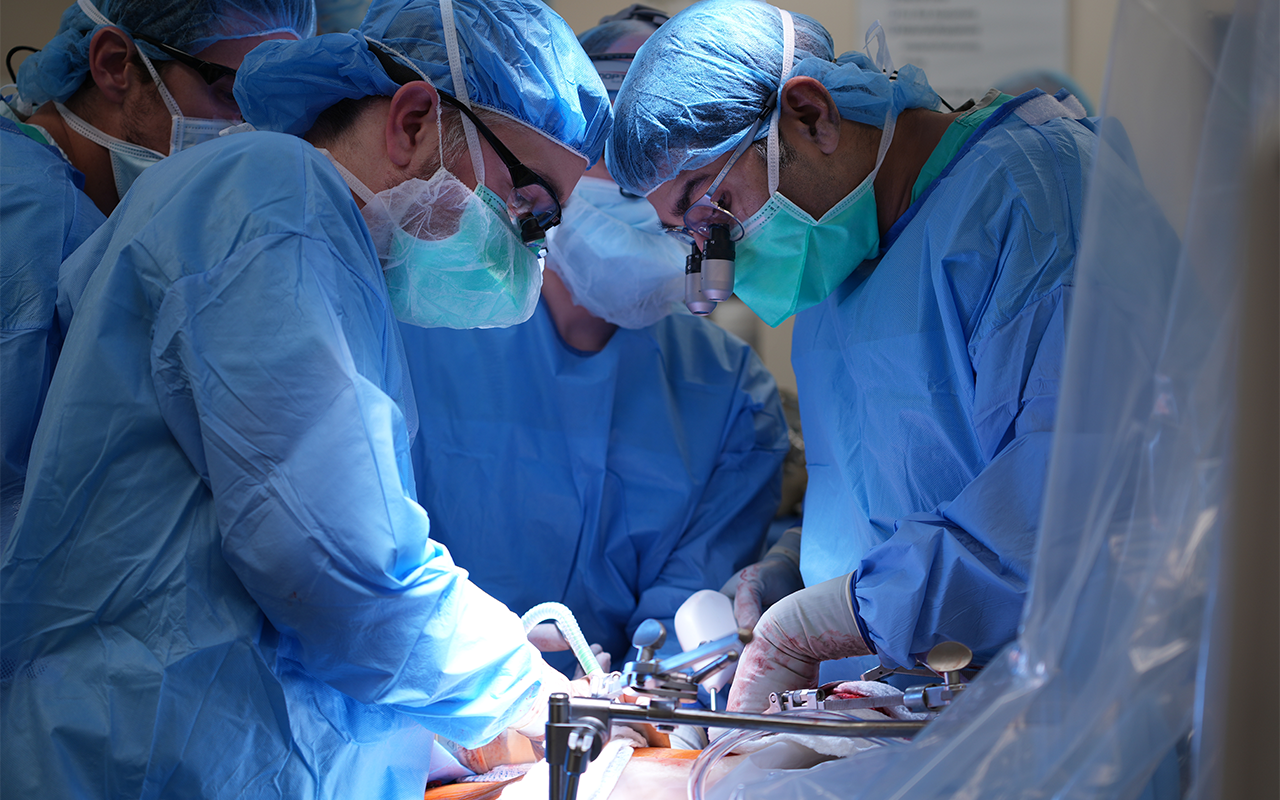
The transplant immunology research of Ankit Bharat, MBBS, the Harold L. and Margaret N. Method Professor of Surgery, chief of Thoracic Surgery, and director of the Canning Thoracic Institute, further illustrates the expansive scope of immunology work at Northwestern. Interested in how the immune system causes lung transplant rejection, this transplant surgeon has also delved into other immunology studies related to pulmonary diseases. One of his NIH-funded studies has revealed an unexpected link between COVID-19 infection and cancer regression. The team found that RNA from the SARS-CoV-2 virus unleashed killer immune cells (inducible nonclassical monocytes) on cancer cells.
“A silver lining of the pandemic is that we discovered this potential new pathway for cancer treatment,” Bharat said of the early-stage research. “This finding could offer promise for reversing resistance to treatment options like immunotherapies, which many patients develop over time.”
Inspiring Up-and-Coming Investigators
While CHI is beneficial to immunology-inspired scientists at all levels of expertise, the center offers a particularly supportive launching pad for early-career faculty. Samuel Weinberg, ’19 MD, ’19 PhD, assistant professor of Pathology and Vipul Shukla, PhD, assistant professor of Cell and Developmental Biology, both started their labs at Northwestern around the time of CHI’s establishment.
“It has been amazing to rub shoulders with the best immunologists in the world and pursue collaborative science together,” said Shukla, who, along with Weinberg, is the co-leader of the center’s immunology working group. “Being surrounded by other immunologists further along in their careers has provided me with much-appreciated guidance in growing my own lines of inquiry,” Weinberg added.
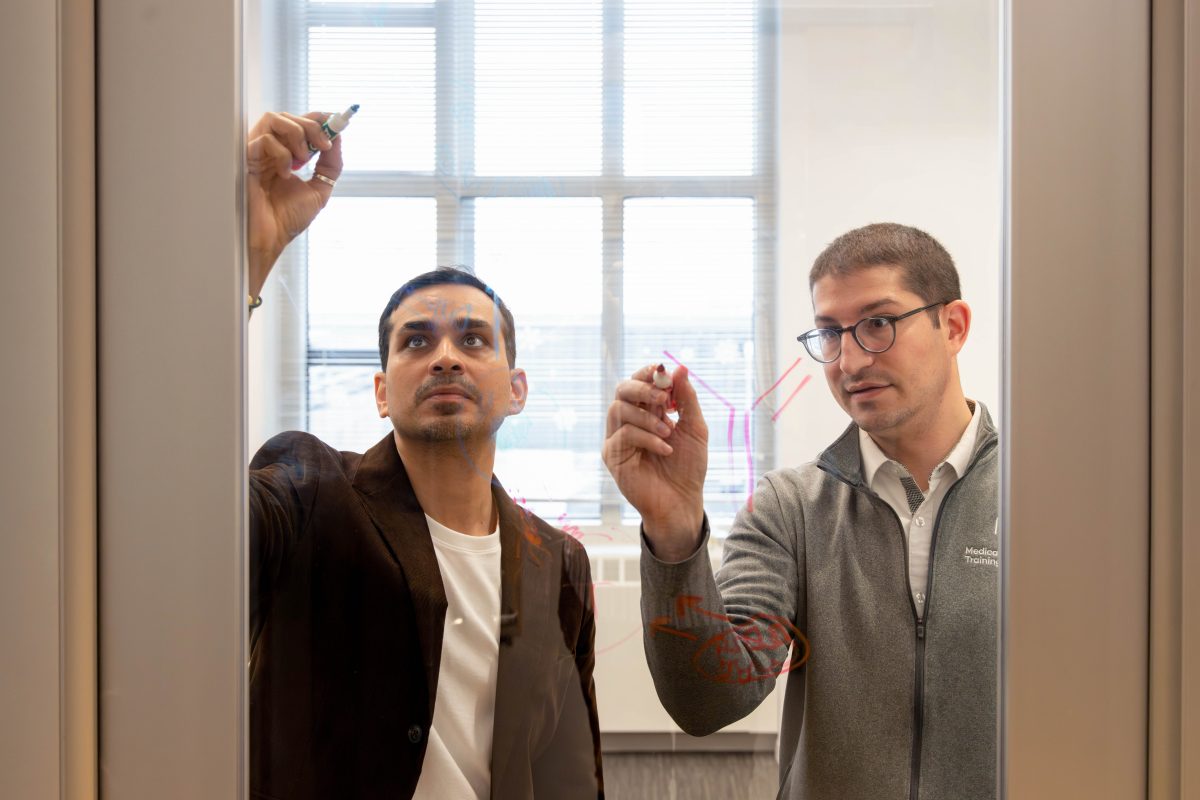
In addition to mentorship, CHI has provided Weinberg with seed funding for a research initiative. In July 2024, he received the center’s first pilot award of $100,000. In July 2024, he received the center’s first pilot award of $100,000. In collaboration with CHI and pediatric faculty member Divakar Mithal, ’13 MD, ’11 PhD, ’15, ’18 GME, he launched a clinical study focused on children with primary mitochondrial disease to explore the role of immune system dysfunction in these patients. In severe cases, children with these disorders suffer from seizures; poor growth; and heart, liver, and kidney disease, and they often do not survive beyond the age of 10. Enrolling participants from Ann & Robert H. Lurie Children’s Hospital of Chicago, Weinberg’s study of 15 patients has already shown that these children demonstrate some clear immune deficiency. He plans to apply for larger grant awards to advance this promising work.
The Shukla lab investigates epigenetics and the metabolic pathways involved in shaping adaptive immune cells like T- and B-cells. Unlike the innate immune system, the adaptive immune system remembers previous encounters with disease and creates targeted antibodies. The next time the body encounters the same viruses or bacteria, these foot soldiers of the immune system spring into action. Among its key discoveries, the Shukla lab has found that excessive inflammation can hinder an adequate antibody response to help fight off infection. By further understanding the principles underlying immune memory, Shukla hopes to use this knowledge to improve the development of vaccines for viruses like influenza or COVID-19 with longer lasting protection. More ambitiously, he believes if annual shots could become one-time affairs, such an improvement could enhance advocacy for vaccinations and immunizations, in general.
“Much like CHI’s emphasis on human immunobiology, we too, strive to apply our scientific pursuits in immunology toward improving human health,” Shukla said. “Focusing on the human aspects of all we do in research is truly an area where Northwestern uniquely excels.”