
Home / Research Briefs
Category: Research Briefs
-

Circadian Rhythm Causes Metabolic Dysfunction in Fat Cells
Northwestern Medicine scientists led by Joseph Bass, MD, PhD, the Charles F. Kettering Professor of Endocrinology and Metabolism and director of the Center for Diabetes and Metabolism, have discovered how disruptions in circadian rhythm impair metabolic function in fat cells, providing new insights into the molecular mechanisms that cause obesity and metabolic disease, according to…
-
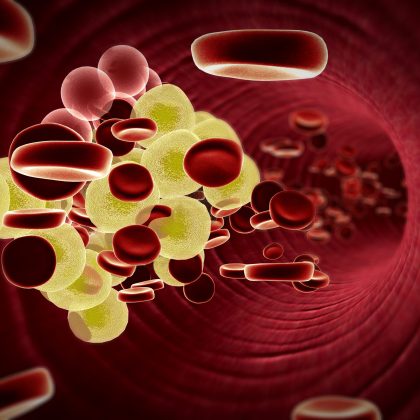
Little-Used Cholesterol Test Could Prevent More Heart Attacks, Strokes
Study shows apoB testing is more effective and cost-efficient than standard cholesterol tests.
-

Uncovering Cellular Drivers of Increased Brain Signal Activity
Northwestern Medicine scientists have discovered new insights into how high gamma activity — an informative, widely studied brain signal — is generated, findings that can impact how past and future neurological studies using this signal are interpreted, according to a recent study published in Nature.
-

Targeting Cellular Mechanisms May Improve Immune Response in Chronic Infections
Northwestern Medicine scientists have identified the cellular mechanisms that cause immune cells to differentiate and ultimately lose function during viral infection, findings that could improve treatments to control chronic infections, according to a recent study published in the Proceedings of the National Academy of Sciences.
-
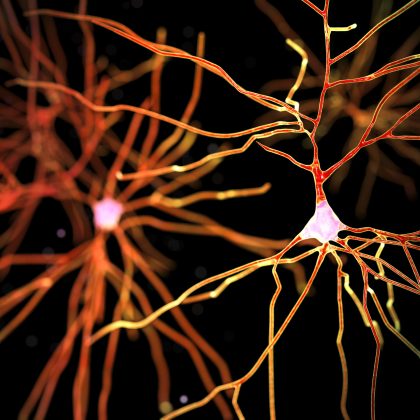
FDA-Approved Compound Promotes Neuroprotective Effects in Parkinson’s Disease
Northwestern Medicine scientists have discovered an FDA-approved compound that promotes neuroprotective effects in experimental models of Parkinson’s disease, according to a recent study published in The Journal of Clinical Investigation.
-

‘Toxic’ Molecule Plays Vital Role in Gene Regulation and Development
A molecule once thought to be a harmful metabolic byproduct may play a crucial role in early development and gene regulation, according to a new study published in Nature that challenges decades of biochemical assumptions.
-

Nonsurgical Heart Valve Replacement Improves Patient Outcomes
Patients with severe heart valve disease who underwent nonsurgical tricuspid valve replacement showed significant improvements in overall cardiovascular health status and quality of life within 30 days post-procedure, according to a recent study published in JAMA.
-

First Gene Regulation Clinical Trials for Epilepsy Show Promising Results
Groundbreaking treatment targets the genetic cause of Dravet syndrome.
-
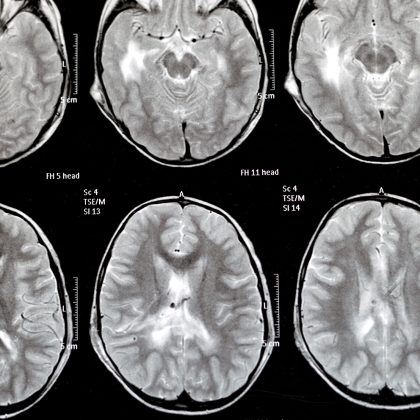
Diabetes Drug May Serve as Alternative Treatment Option for Hydrocephalus
A drug commonly used to treat type 2 diabetes may reduce excess fluid in the brains of patients with hydrocephalus, which could help treat the disease less invasively than current treatments, according to a Northwestern Medicine study published in the Journal of Clinical Investigation.
-

Carbon Dioxide May Drive Lung Damage in COPD
A new Northwestern Medicine study is challenging long-held assumptions about chronic obstructive pulmonary disease (COPD), according to results published in The Journal of Clinical Investigation.