
Home / Research Briefs
Category: Research Briefs
-
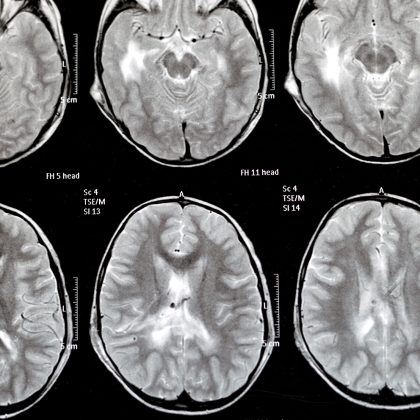
Diabetes Drug May Serve as Alternative Treatment Option for Hydrocephalus
A drug commonly used to treat type 2 diabetes may reduce excess fluid in the brains of patients with hydrocephalus, which could help treat the disease less invasively than current treatments, according to a Northwestern Medicine study published in the Journal of Clinical Investigation.
-

Carbon Dioxide May Drive Lung Damage in COPD
A new Northwestern Medicine study is challenging long-held assumptions about chronic obstructive pulmonary disease (COPD), according to results published in The Journal of Clinical Investigation.
-
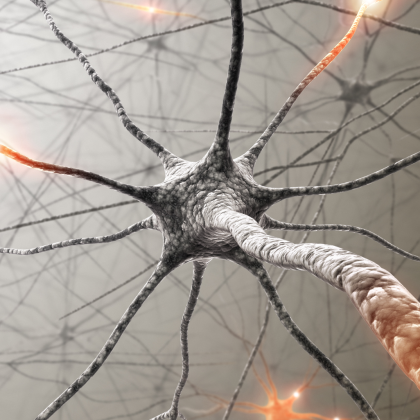
Memories Drift Across Neurons Over Time
In a new study published in Nature, Northwestern neurobiologists have found that the brain’s internal GPS changes each time we navigate a familiar, static environment.
-

Obesity Drugs Regulate Neural Systems to Curb Appetite
A recent Northwestern Medicine study has identified novel neural circuits modulated by the diabetes and obesity-management drugs semaglutide and tirzepatide that help suppress appetite, according to findings published in The Journal of Clinical Investigation.
-

Genetic Discovery Could Improve Cancer Immunotherapy
A promising genetic clue could lead to improvements in the effectiveness of cancer treatments in certain patients, according to a study recently published in Nature.
-

Study Reveals Surprising Link Between HIV and Alzheimer’s
A new Northwestern Medicine study has uncovered a surprising molecular link between HIV-1 and a protein fragment associated with Alzheimer’s disease, according to findings published in the Proceedings of the National Academy of Sciences.
-
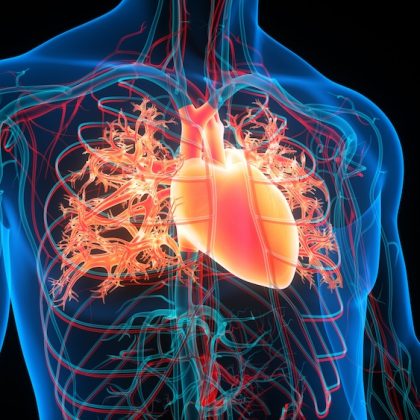
Most US Adults Have Hearts Older than Their Actual Age
Most U.S. adults have a “heart age” several years older than their chronological age — often by more than a decade. And that gap is wider among men and among those with lower incomes or education or who identify as Black or Hispanic, according to a new study published in JAMA Cardiology and led by…
-

Mitochondria May Be a Promising Therapeutic Target for Inflammatory Diseases
Scientists in the laboratory of Navdeep Chandel, PhD, the David W. Cugell, MD, Professor of Medicine in the Division of Pulmonary and Critical Care, have discovered how mitochondria influence the body’s immune response through modulating specific cell signaling pathways, according to a recent study published in Science Advances.
-
Alzheimer’s Treatment May Lie in Brain’s Own Cleanup Crew
A new Northwestern Medicine study suggests a promising alternative to current approaches to Alzheimer’s disease: enhancing the brain’s own immune cells to clear amyloid plaques more effectively.
-
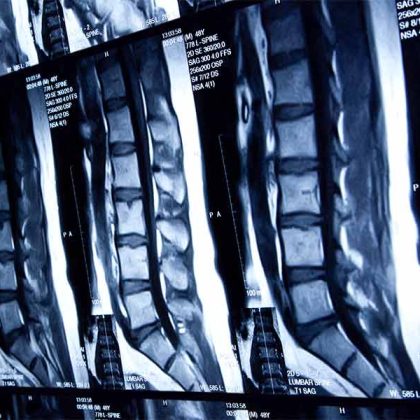
Novel Intracellular Mechanisms May Inform Treatments for Congenital Spinal Defects
Northwestern Medicine investigators have identified novel mechanisms regulating the development of the spinal column during embryonic development, findings that could inform new treatments for congenital scoliosis and other related birth defects, according to a recent study published in Nature Communications.