
Home / Research Briefs / Page 2
Category: Research Briefs
-

Study Identifies Link Between Body Clock Disruption and Metabolic Disease
Northwestern Medicine investigators have discovered how disruptions in circadian rhythm in our muscles combined with poor diet can contribute to the development of diabetes, according to a recent study published in Proceedings of the National Academy of Sciences.
-
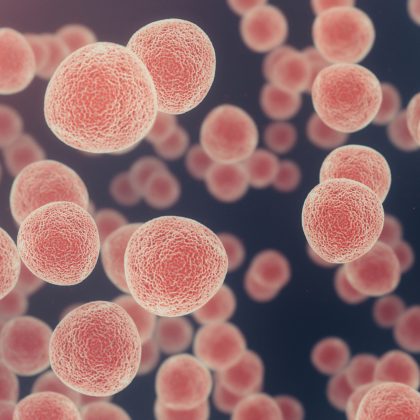
Reprogramming Compromised Immune Cells to Fight Cancer
Northwestern Medicine investigators have developed a new avenue to reprogram compromised immune cells to act against tumors, according to a study published in Science Advances.
-
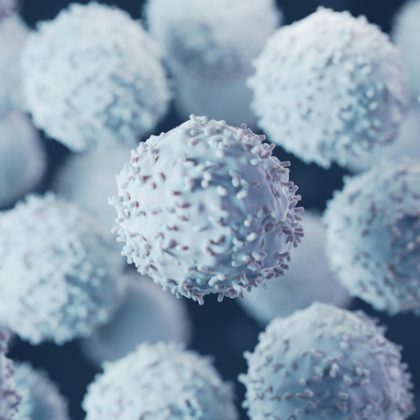
Novel Mechanisms Regulate Immune Response to Cancer and Infection
Northwestern Medicine investigators have discovered new intracellular mechanisms that help specialized immune cells adapt and respond to disease and acute inflammation, findings that may inform the development of targeted therapies for cancer and tissue injury, according to a recent study published in the Journal of Clinical Investigation.
-

The Antibiotic that Takes the Bite Out of Lime
In two new studies led by bacteriologist Brandon L. Jutras, Northwestern scientists have identified an antibiotic that cures Lyme disease at a fraction of the dosage of the current “gold standard” treatment and discovered what may cause a treated infection to mimic chronic illness in patients.
-
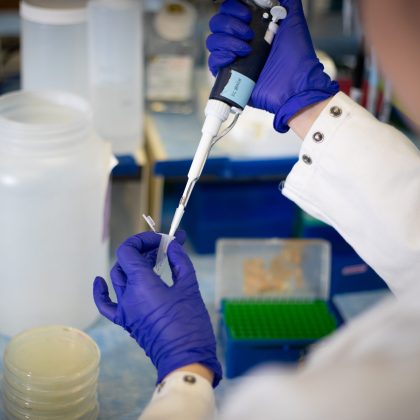
Scientists Discover a Cause of Lupus and a Possible Way to Reverse It
Northwestern Medicine and Brigham and Women’s Hospital scientists have discovered a molecular defect that promotes the pathologic immune response in systemic lupus erythematosus (known as lupus) and in a study published in Nature, show that reversing this defect may potentially reverse the disease.
-
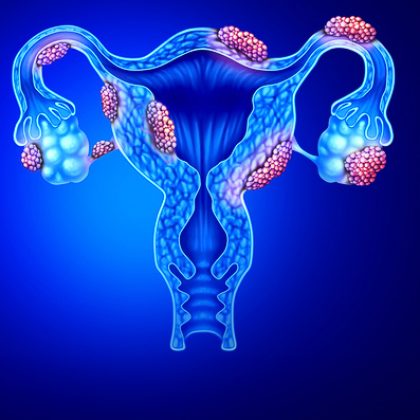
Study Identifies Racial Differences in Rare Endometrial Cancer
Northwestern Medicine investigators have discovered that uterine serous carcinoma tumors in Black patients express more aggressive and immunosuppressive features than tumors in white patients, according to a recent study published in the Proceedings of the National Academy of Sciences.
-
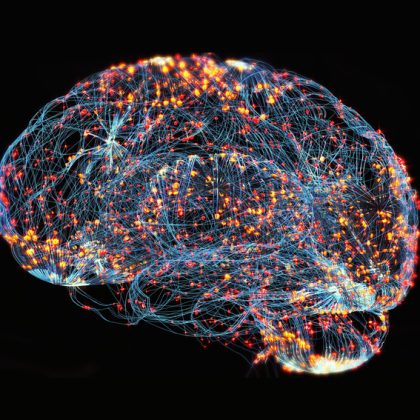
Non-Neuron Brain Cells Produce a Third of Amyloid Plaque in Alzheimer’s Disease
An international team of investigators have discovered that non-neuron brain cells called oligodendrocytes contribute to approximately one-third of plaque formation alongside that produced by neurons in mouse models of Alzheimer’s disease, according to a recent study published in Nature Neuroscience.
-
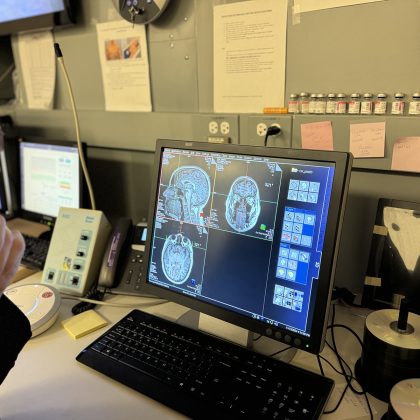
Imaging Study Provides New Understanding of Brain Communication and Social Interaction
In a Northwestern Medicine study published in Science Advances, scientists sought to better understand how humans evolved to become so skilled at thinking about what’s happening in other peoples’ minds. The findings could have implications for one day treating psychiatric conditions such as anxiety and depression.
-

Vital Language Sites in the Brain Act Like Connectors in a Social Network
A new Northwestern Medicine study published in Nature Communications may better inform doctors’ decisions about which brain areas to preserve, thereby improving patients’ language function after brain surgery. The study expands the understanding of how language is encoded in the brain and identifies key features of critical sites in the cerebral cortex that work together…
-
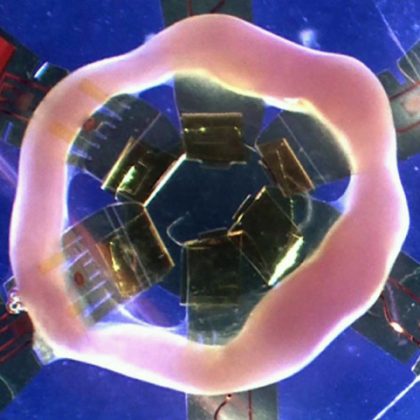
Engineering Human Heart Tissue for Scientific Study
Northwestern Medicine scientists have developed a new way to measure heart contraction and electrical activity in engineered human heart tissues, according to findings published in Science Advances.