
Home / Research Briefs / Page 4
Category: Research Briefs
-

Pioneering New Methods to Understand Protein Folding
Northwestern Medicine scientists have developed a new technique for measuring protein folding stability on an unprecedented scale, findings detailed in a new study published in Nature.
-
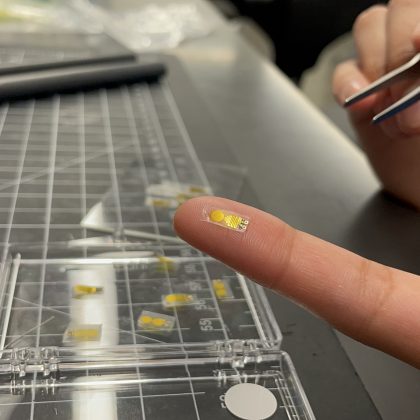
First Device to Monitor Transplanted Organs, Detect Early Signs of Rejection
Northwestern University scientists have developed the first electronic device for continuously monitoring the health of transplanted organs in real time, as detailed in a study published today in the journal Science.
-

Study Discovers Novel Therapeutic Target for Acute Respiratory Distress Syndrome
A new Northwestern Medicine study has discovered a novel therapeutic target and therapeutic agents for older patients with acute respiratory distress syndrome (ARDS), according to recent findings published in Science Translational Medicine.
-
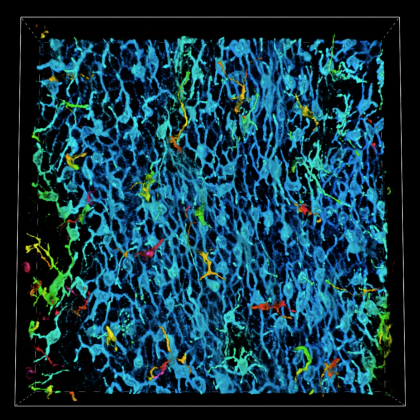
Novel Intercellular Signaling Mechanisms Promote Melanoma Growth
Investigators led by Kathleen Green, PhD, the Joseph L. Mayberry, Sr., Professor of Pathology and Toxicology, have discovered novel intercellular “crosstalk” between epidermal keratinocytes and melanoma cells that promote cancer growth and metastasis.
-
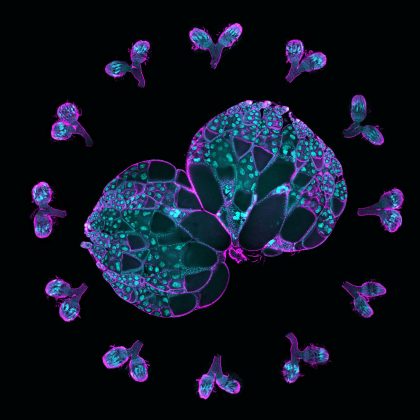
Understanding Drivers of Egg Cell Development
Northwestern Medicine scientists have identified how cytoskeletal proteins contribute to the growth of developing eggs in fruit flies, findings that further the field’s understanding of how egg cells form and differentiate themselves from other sister cells, according to a study published in the Proceedings of the National Academy of Sciences.
-
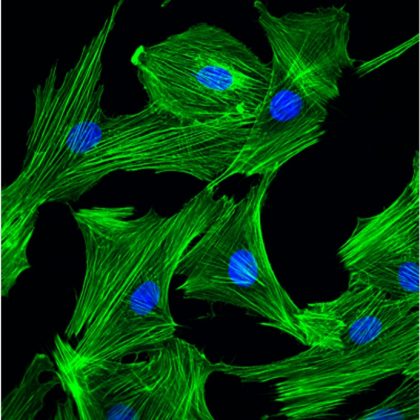
Investigating the Role of DNA Damage in Cardiac Hypertrophy
A novel cellular pathway regulates DNA damage and structural changes in cardiomyocytes, which contributes to the development of cardiac hypertrophy, according to a Northwestern Medicine study published in Circulation.
-

Not Enough Women Receive Counseling on Heart Health Postpartum
Despite having risk factors for heart disease, only 60 percent of women reported receiving counseling on optimizing their heart health, which includes healthy eating, exercise and losing weight gained during pregnancy at their six-week postpartum visit between 2016 and 2020, a new Northwestern Medicine study published in JAMA has found.
-
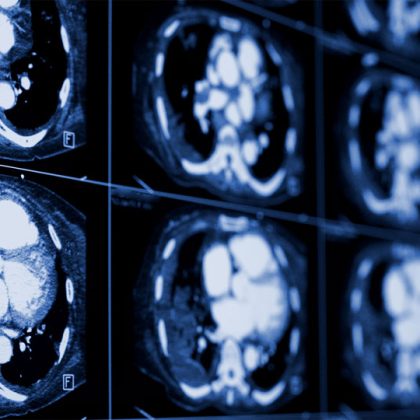
CT Scan Best at Predicting Heart Disease Risk in Middle Age
CT scans are better at predicting a middle-aged person’s risk for a heart disease, such as a heart attack, than genetics, reports a Northwestern Medicine study.
-
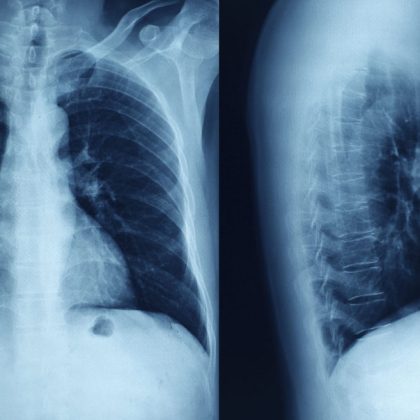
Secondary Bacterial Pneumonia Drove Many COVID-19 Deaths
Machine learning finds no evidence of cytokine storm in critically ill patients with COVID-19.
-
Understanding the Role of Octopamine in Neurodegeneration
Scientists have discovered how octopamine, the major “fight-or-flight” neurotransmitter in invertebrates, communicates with other cells in mammalian brains to prevent cell death.