
Home / Research Briefs / Page 8
Category: Research Briefs
-

Plotting the Neural Circuitry of Appetite Suppression
Northwestern Medicine scientists have uncovered a neural circuit that drives fear-induced suppression of feeding, according to a study published in Neuron.
-

Novel Device Provides Continuous Monitoring of Skin, Prostheses
A multi-disciplinary team of investigators led by Northwestern scientists have developed a novel wireless device that can constantly monitor pressure and temperature between the patient’s skin and prosthesis, improving overall comfort and wellbeing.
-

Rethinking Cardiac Repair After Injury
A signaling molecule produced by the lymphatic vasculature could be used to promote cardiac repair after heart attack, according to a Northwestern Medicine study published in Nature.
-
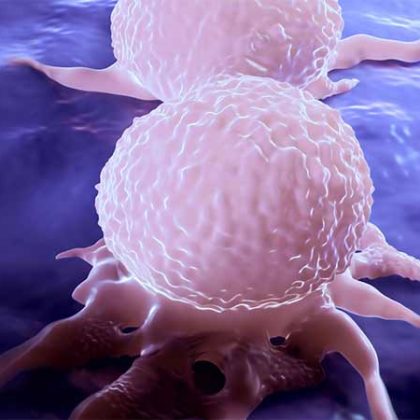
New Therapy Targets Breast Cancer Metastases in Brain
A new combination therapy targeting breast cancer tumors in the brain dramatically decreased tumor size and increased survival in mice, according to a new study.
-

Gene Therapy Could Treat Atrial Fibrillation
Targeting oxidative stress with a genetic therapy reduced atrial fibrillation in animal models of disease, making this a promising future treatment, according to a study published in Circulation.
-
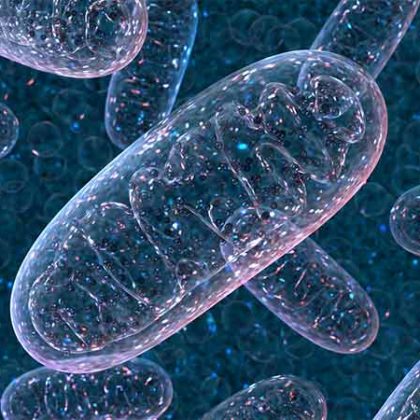
Mitochondrial Metabolism Shows Promise as Target for Cancer Therapy
Northwestern Medicine investigators have discovered that the growth of cancerous tumors requires the activation of a specific biochemical process within the mitochondria of tumor cells, showing potential as a new target for cancer therapy.
-

New Genetic Regulators Could Improve Cancer Immunotherapy
A genetic screen has revealed previously unknown regulators of Foxp3, a transcription factor that, when deactivated, may improve patient response to aggressive cancers.
-
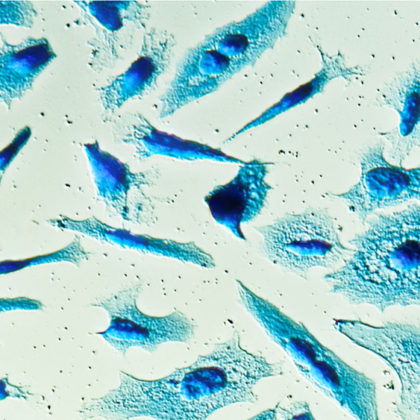
First Trial Shows Benefit for Genomically Targeted Prostate Cancer Treatment
For the first time, advanced prostate cancer has been treated based on the genomic makeup of the cancer, delaying disease progression for patients with a treatment-resistant form of prostate cancer
-
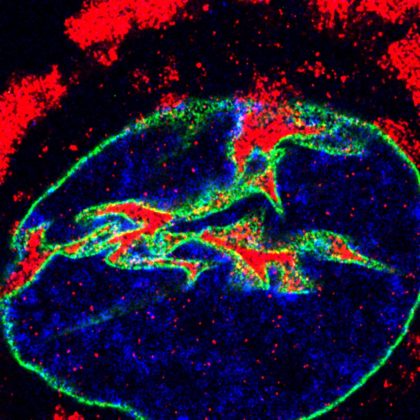
Uncovering the Cellular Mechanisms Behind Genetic Mutations in ALS
Northwestern Medicine scientists have discovered that mutations in the largest genetic contributor to ALS leads to the dysfunction and eventual degeneration of certain specialized subtypes in the brain. The findings may lead to development of novel therapeutic interventions for the disease.
-
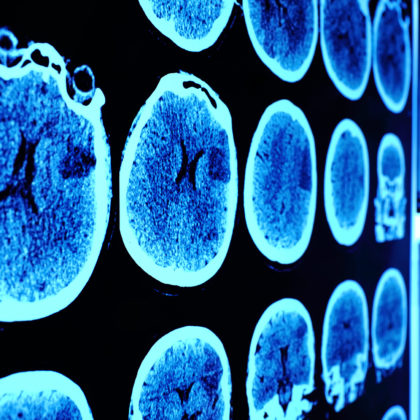
New Migration of Brain Tumor Discovered
A previously unknown migration of glioblastoma may explain why current treatments stall out over time, according to a new stu