
Home / Research Briefs / Page 6
Category: Research Briefs
-

New Tool to Create Hearing Cells Lost in Aging
‘We have overcome a major hurdle’ to restore hearing, investigators say.
-

Lower Statin Threshold Shown to be Cost-Effective
Expanding prescription of statin medication to reduce low-density lipoprotein cholesterol could be a cost-effective intervention against cardiovascular disease.
-
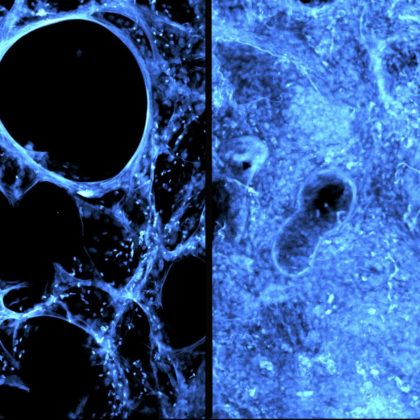
Good Outcomes in COVID-19 Lung Transplants
Patients with COVID-19-associated acute respiratory distress syndrome who received lung transplants had similar outcomes, compared to transplant patients without COVID-19.
-

Genetic Variant of High-risk Childhood Leukemia Revealed
A genetic mutation changing just one base pair of nucleotides greatly increases risk of a lethal subtype of childhood acute lymphoblastic leukemia.
-

Investigating Prevalence Risk of Familial Heart Failure
Idiopathic dilated cardiomyopathy (DCM) was found to have a familial etiology in 30 percent of individuals diagnosed with DCM.
-
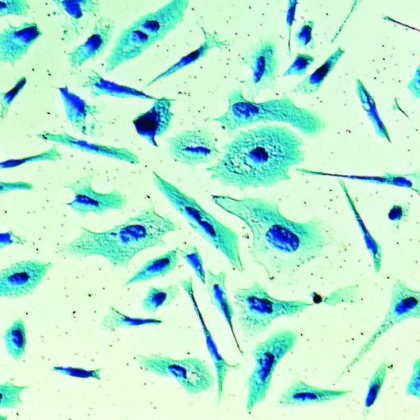
New Treatment for Metastatic Hormone-Sensitive Prostate Cancer
The drug darolutamid, administered with standard androgen-deprivation therapy and docetaxel chemotherapy, increased survival in patients with metastatic hormone-sensitive prostate cancer.
-
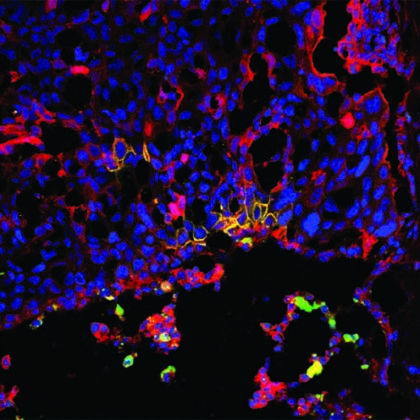
Neural Stem Cell Therapy May Improve Metastatic Cancer Survival
Neural stem cells used in combination with the HER2 inhibitor drug tucatinib improved survival in mice with HER2 positive breast cancer brain metastases.
-

New Insights into the Mechanism of ALS
The damaging effects of toxic proteins created in one inherited form of amyotrophic lateral sclerosis (ALS) are mediated by a protein called SPOP.
-

Lewy Body Dementia Exacerbated by Immune Response
T-cells respond to buildup of alpha-synuclein with a harmful auto-immune response, according to a Northwestern Medicine study published in Science.
-

Genome Editing Made Possible on Cells Lining Blood Vessel Walls
The laboratory of YouYang Zhao, PhD, developed a unique nanoparticle to deliver genome editing technology, including CRISPR/Cas9, to vascular endothelial cells.