
Home / Research Briefs / Page 8
Category: Research Briefs
-

Investigating Long-Lived Mitochondrial Proteins
A subset of proteins in mitochondria of brain and heart cells are long-lived, supporting the long-term stability of mitochondrial complex architecture.
-
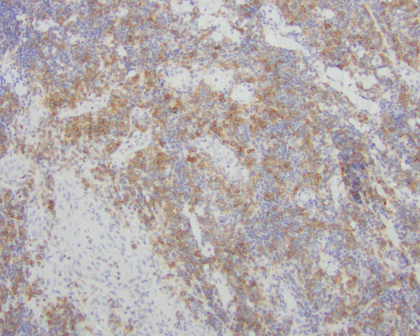
Gene Implicated in Poor Skin Cancer Therapy Outcomes
Losing a check on T-cell activation in cutaneous T-cell lymphoma cells is associated with poor outcomes, according to a recent study.
-
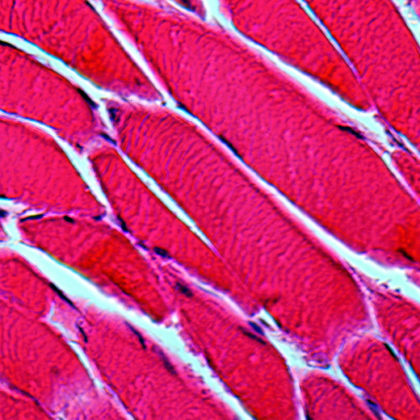
New Hope for Antibody to Treat Muscular Dystrophy
Scientists have developed an antibody that they believe can be used to treat muscular dystrophy, reducing muscle scarring in an animal model of the disease.
-

New Spherical Nucleic Acid ‘Drug’ Kills Tumor Cells in Humans with Glioblastoma
An experimental spherical nucleic acid drug developed by Northwestern scientists was able to penetrate the blood-brain barrier and trigger the death of glioblastoma cells.
-
Evaluating Esophageal Hypervigilance and Symptom Anxiety
Measuring levels of hypervigilance and anxiety may improve healthcare providers’ understanding of severe esophageal diseases and treatment strategies, according to a Northwestern Medicine study.
-
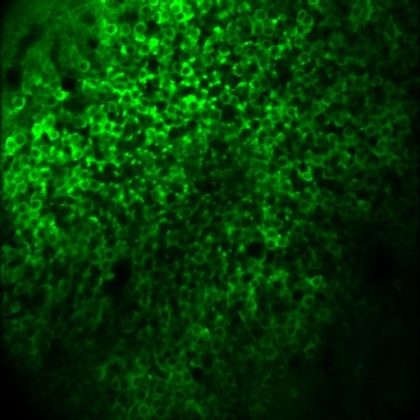
Hippocampus Creates ‘Shapes of Knowledge’
Neurons in the hippocampus encode a spatial map of learned knowledge, helping humans and other mammals navigate the world, according to a study published in Nature.
-
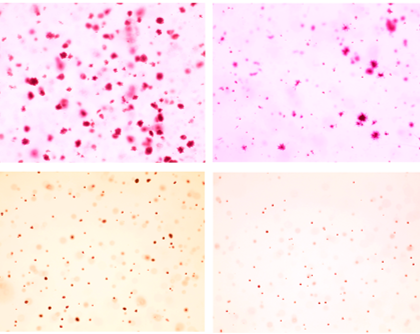
Inhibiting SAM Biosynthesis to Slow Tumor Growth
Inhibiting production of a key material produced by the mTOR pathway could slow tumor growth, according to a recent Northwestern Medicine study.
-
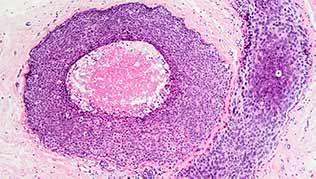
Antibody Drug Improves Survival for Aggressive Breast Cancer
A new antibody drug demonstrated similar efficacy to currently available therapies to treat advanced ERBB2-positive breast cancer, according to a recent clinical trial.
-

Plotting the Neural Circuitry of Appetite Suppression
Northwestern Medicine scientists have uncovered a neural circuit that drives fear-induced suppression of feeding, according to a study published in Neuron.
-
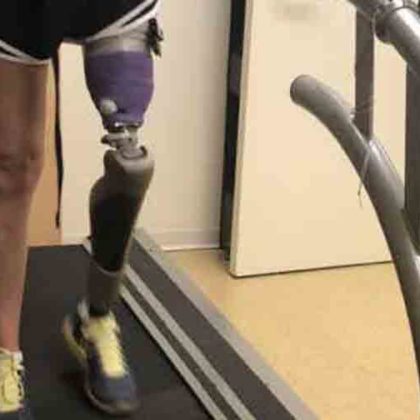
Novel Device Provides Continuous Monitoring of Skin, Prostheses
A multi-disciplinary team of investigators led by Northwestern scientists have developed a novel wireless device that can constantly monitor pressure and temperature between the patient’s skin and prosthesis, improving overall comfort and wellbeing.