Transplanting New Hope
New Northwestern Medicine clinical program makes liver transplants more accessible for patients with stage 4 colorectal cancer.
By Melissa Rohman | Photography courtesy of Northwestern Medicine
Patients with stage 4 colorectal cancer whose disease has spread to the liver have a five-year survival rate with chemotherapy of just 10 percent, but survival can increase to 80 percent with a liver transplant. Unfortunately, scarcity of donor organs and disadvantages within the current organ allocation system can create a difficult pathway to lifesaving transplants.
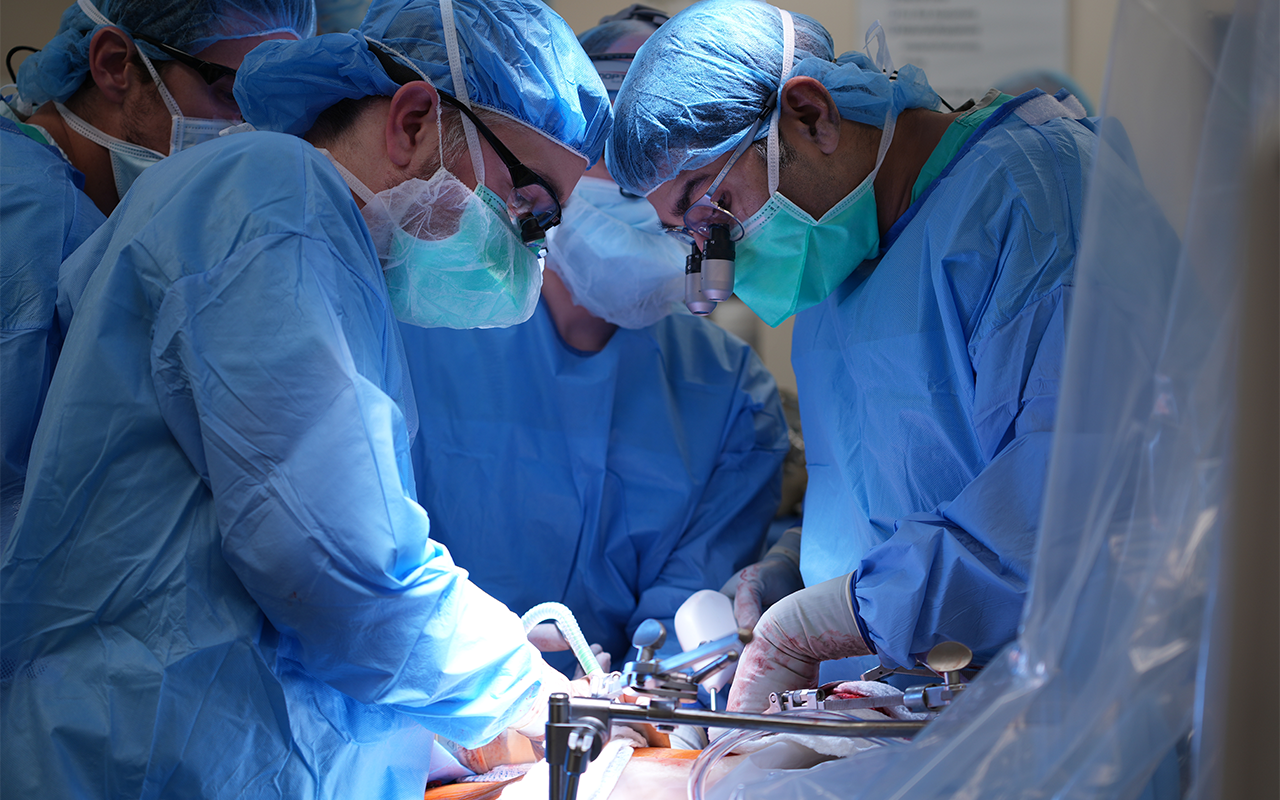
To address the issue, Northwestern Medicine is implementing strategies to make transplants more accessible. In one such development, surgeons have for the first time in the U.S. successfully split a deceased-donor liver kept alive on a machine perfusion pump — transplanting one into the intended recipient and the other, smaller segment into a patient with terminal colorectal cancer who could not find a suitable living donor. The smaller segment was not enough to sustain the patient’s body, so they removed half his cancer at the time of implantation and let the liver grow to a larger size. The surgeons then returned to the operating room 10 days later to remove the rest of the cancer, and the newly transplanted liver took over, rendering the patient cancer-free.
The treatment option is now available for select patients with advanced colorectal cancer with liver metastasis in a new clinical program at Northwestern Medicine called Colorectal Metastasis to Liver Extraction with Auxiliary Transplant and Delayed Resection (CLEAR).
Over the past six years, Northwestern Medicine has also increased colorectal cancer screening rates across the health system by 20 percent by expanding access, improving operations, and piloting strategies to reduce unused endoscopy slots.
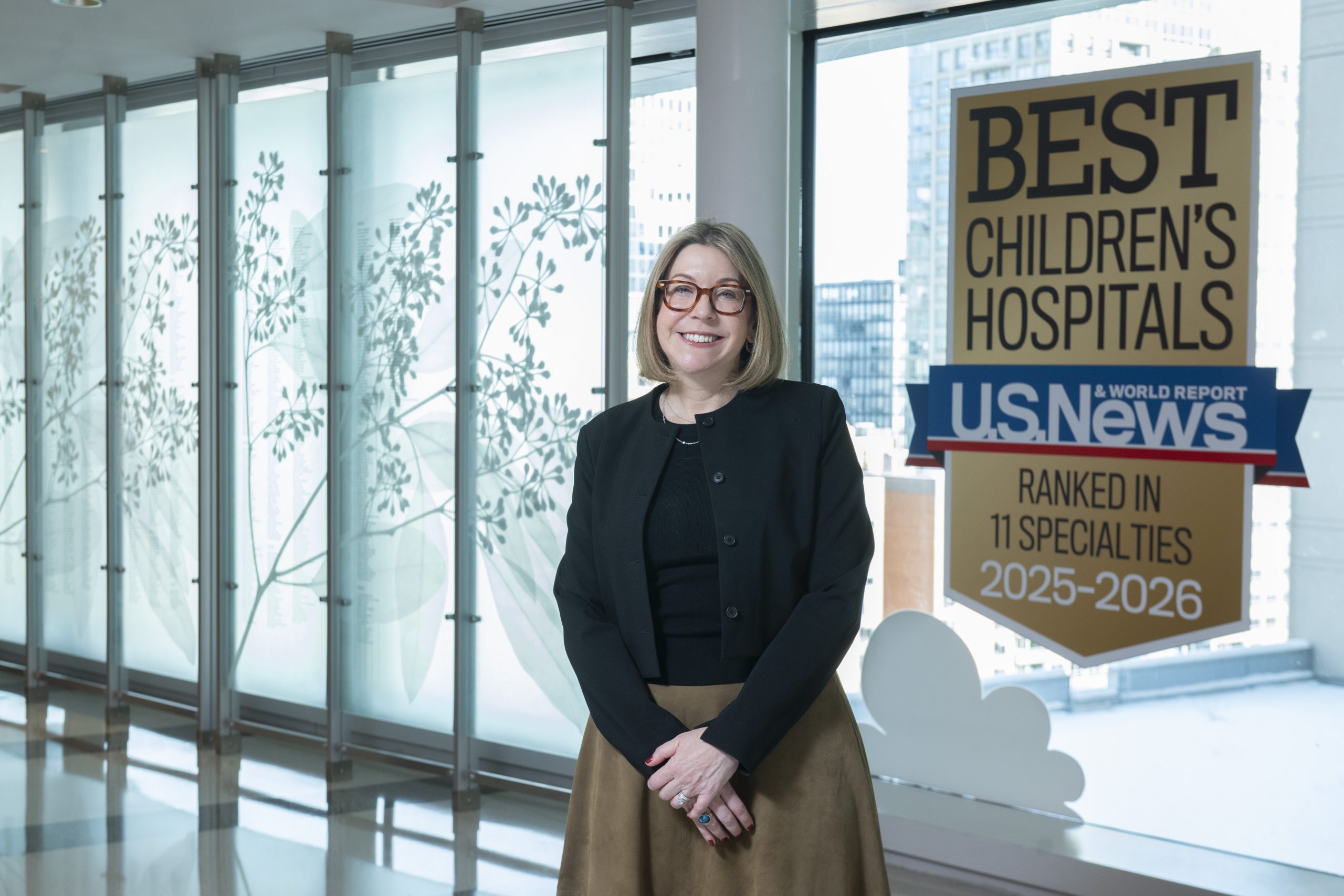
“The CLEAR program is exciting and unique because it serves an unmet need in a particular patient population,” said Satish Nadig, MD, PhD, the Edward G. Elcock Professor of Surgical Research and director of Northwestern Medicine Comprehensive Organ Transplant Center.
“Because liver transplantation for colorectal cancer is not done at many centers around the country, the current organ allocation system does not prioritize these patients, and they end up falling lower on the waitlist. As a result, patients with colorectal cancer with liver metastasis often rely on living donors. Unfortunately, not everyone is walking around with a living donor. For many of these patients, the only alternative is palliative treatment, which we refuse to accept,” Nadig said.
A surprising diagnosis
Colorectal cancer is the third most common cancer in both men and women worldwide, and the liver is the most common site of spread, with up to 60 percent of patients with colorectal cancer developing liver metastasis.
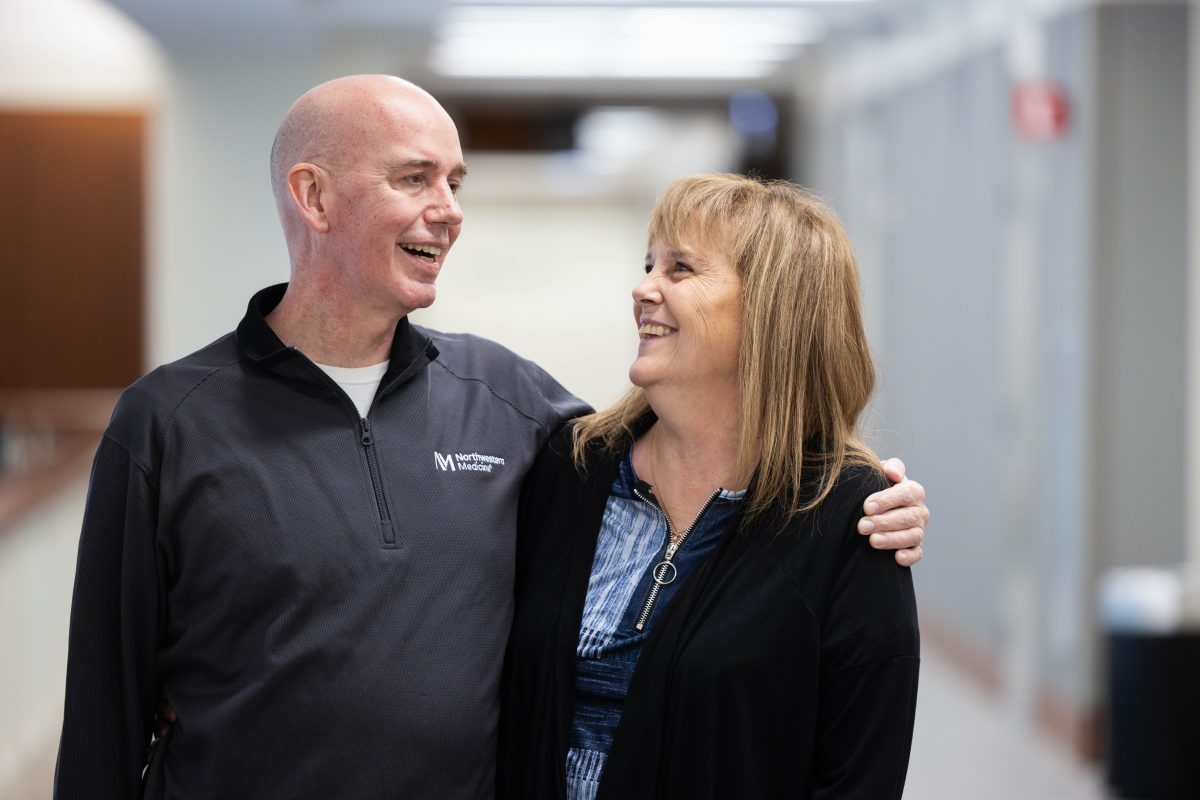
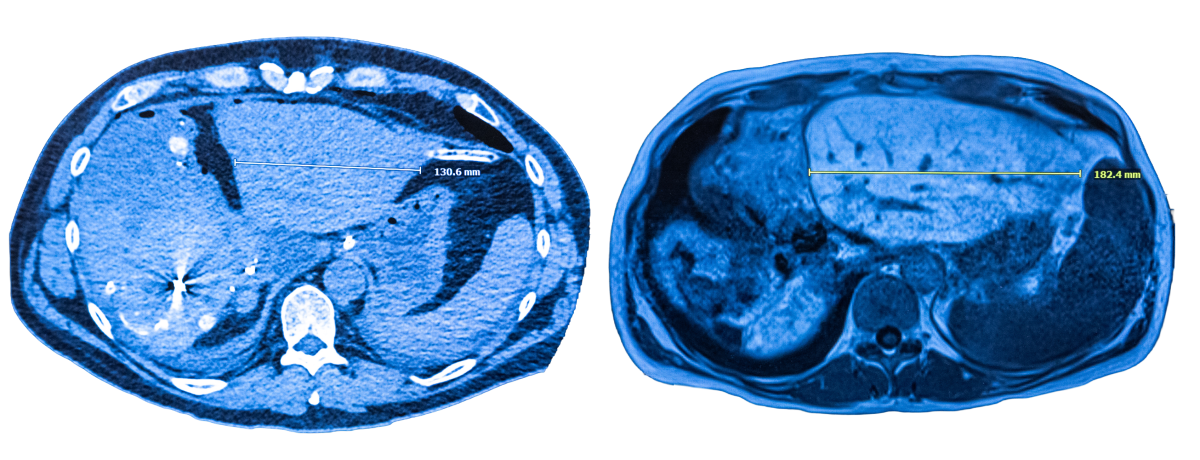
In December 2021, 53-year-old Barclay Missen was experiencing minor abdominal discomfort when he came to Northwestern Memorial Hospital for a colonoscopy following his fiftieth birthday. To his surprise, doctors found a large tumor in his colon and diagnosed him with stage 4 colorectal cancer — the disease had spread to his liver.
Missen’s medical team was able to slow the progression of the disease with chemotherapy, a colon resection, and liver ablations, but it was only a matter of time before the cancer became resistant to treatment. By April 2024, the disease had severely damaged his liver, and he learned he would need a transplant.
Though friends and family volunteered as donors, none were a suitable match for Missen. By the fall of 2024, after failing to find a living liver donor to treat his stage 4 colorectal cancer, the husband and father of two was facing few options for survival when his Northwestern Medicine transplant team approached him with their innovative solution: RAPID.
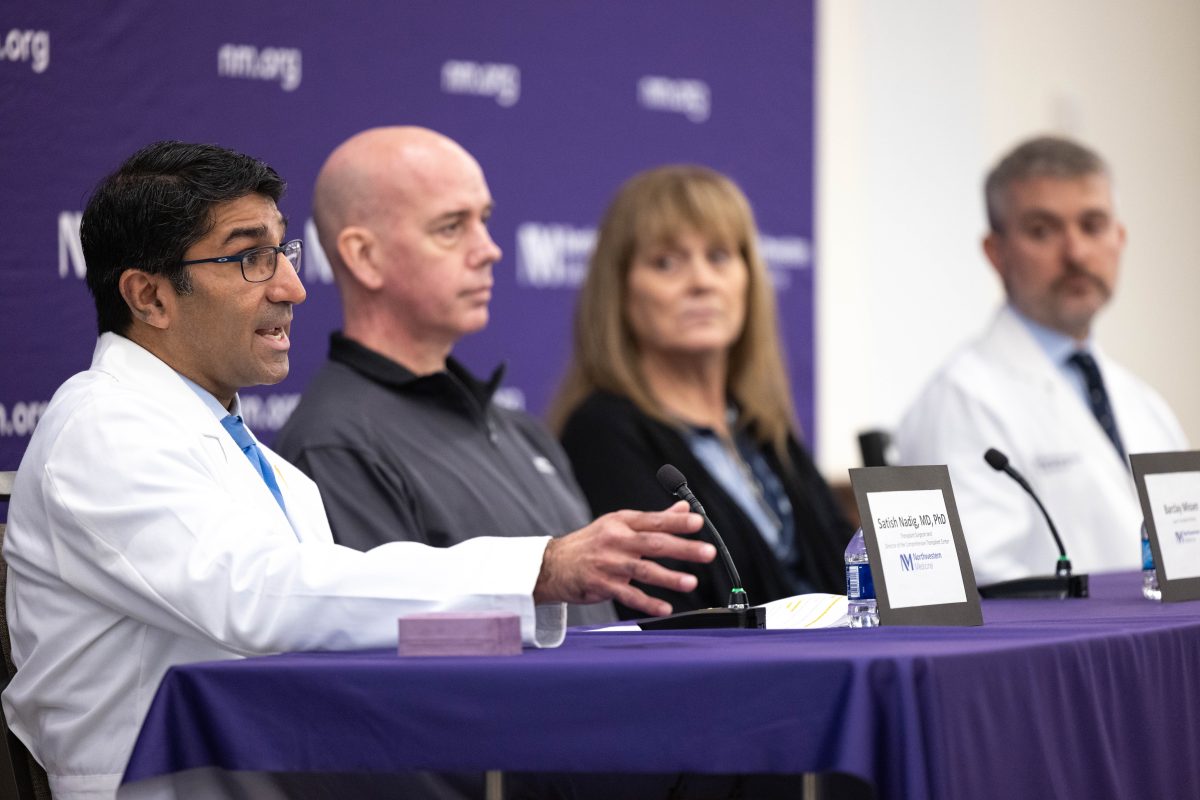
“The CLEAR program is exciting and unique because it serves an unmet need in a particular patient population.”
Satish Nadig, MD, PhD
Developed for patients with cancer who might not survive the wait for a traditional transplant, this two-stage procedure is an innovative surgical technique known as resection and partial liver transplantation with delayed total hepatectomy, or RAPID, where surgeons first remove a graft from a deceased-donor liver that is allocated to a patient higher on the transplant waitlist. The larger portion is transplanted in the initially designated recipient while the smaller portion is transplanted into the patient with cancer who has half of their cancerous liver removed simultaneously. Once the small piece has grown in size, the remaining cancerous liver is removed.
“When I learned that RAPID was an option for me, I was elated,” Missen said. “Not only was I hopeful and grateful to have a chance for a cure, when I learned that this could open doors for other patients, I was all for it.”
Nearly two years after receiving his new liver via the RAPID technique, Missen has no signs of cancer in his body and doesn’t require any further cancer therapy.
“We are excited to offer RAPID as an option through the CLEAR program,” said Zachary Dietch, MD, assistant professor of Surgery in the Division of Organ Transplantation and a Northwestern Medicine transplant surgeon. “The goal of the program is to make it easier for patients with advanced colorectal cancer to get a liver transplant. We know that transplant is a lifesaving option for these patients, especially if the cancer is otherwise confined to the liver.”
Sharing hope
In October 2024, Missen matched with a donor after cardiac death (DCD) liver that had been assigned to another Northwestern Medicine patient: then-57-year-old Kelli Podrez of Hanover Park, Illinois. Podrez, who was listed higher on the transplant waitlist due to severe liver scarring (cirrhosis), agreed to share a piece of the liver that had been allocated to her.
“To have another person whose life is on the line be willing to share their hope with me, I can’t put into words how grateful I am for their generosity. I’m sitting here today because of that decision and my incredible Northwestern Medicine transplant team who made it happen,” Missen said.
“This procedure is incredibly rare and involves many moving parts,” Nadig said. “RAPID has been sparingly utilized outside of America, but by splitting a DCD liver on a machine perfusion pump, we’ve chosen to apply it in a unique way at Northwestern Medicine. On top of the skills, expertise, and technology a procedure like this requires, we have to have the collaborative culture to be able to simultaneously transplant these livers, working closely with oncologists and radiologists to make sure the cancer isn’t spreading while the new liver grows. Most importantly, we need a patient who is willing to share the gift of a new liver with another, and a patient who trusts us enough to participate in a first for the health system.”
RAPID has now been performed twice by Nadig’s team — once with an organ from a living donor and another with an organ from a deceased donor — with more procedures anticipated for the future.
“RAPID expands transplant access on the living-donor side and also reduces donor risk,” Dietch said. “What we’d like to see is this be considered as an option earlier in the treatment pathway for patients with advanced colorectal cancer.”
About the CLEAR research registry
Patient-reported outcomes of the CLEAR program’s first 80 patients will be tracked in a research registry also called CLEAR (Colorectal Metastasis to Liver Extraction with Auxiliary Transplant and Delayed Resection). The research registry is focused on the outcomes of the treatment intervention and participation in the research registry is voluntary.
“There is still early but accumulated evidence that shows that certain patients with cancer who receive transplants will derive equivalent or better outcomes than patients who receive transplants for more traditional indications,” Dietch said. “Transplant oncology is a new frontier in the field of transplant, and Northwestern Medicine is at the forefront. We look forward to providing hope to more patients who are being told the alternative is palliation and death.”